
Europe has long been the stage for fairy tales. From cobbled streets and timber-framed houses to castles perched on misty hills, the continent brims with towns that feel plucked straight from a storybook. While cities like Paris, Prague, and Vienna capture the spotlight, the magic often lies in the smaller places—the ones where life slows down and every corner looks like a postcard.
This guide takes you through ten enchanting European towns, each offering postcard-worthy scenery, timeless charm, and that feeling of stepping into a living fairy tale.
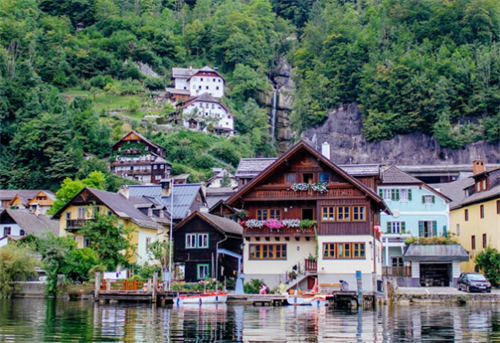
1. Hallstatt, Austria
Why go: The reflection of pastel-colored houses on Lake Hallstatt makes for postcard-perfect views in every season. In winter, the snow-dusted rooftops look like something from a Christmas card; in summer, the flower-filled balconies glow in the mountain sun.
What to do: Explore the Hallstatt Salt Mine—the oldest in the world—wander narrow lanes, or take a boat across the lake for sweeping views. Hiking trails into the Dachstein mountains provide endless panoramas.
Tip: Visit early morning or late afternoon to avoid day-trip crowds from Salzburg.
2. Colmar, France
Dubbed “Little Venice,” Colmar in Alsace captivates visitors with its charming half-timbered houses, meandering canals, and colorful flower-filled window boxes.
Why go: Its old town looks like an illustration from a children’s book, with pastel facades and winding waterways. At Christmas, the town transforms into one of Europe’s most magical holiday markets.
What to do: Stroll the Petite Venise quarter, taste Alsatian wines, and step inside the Unterlinden Museum, which houses medieval masterpieces.
Tip: Colmar makes a perfect base for exploring nearby wine villages like Eguisheim and Riquewihr—each equally fairy tale-like.
3. Český Krumlov, Czech Republic
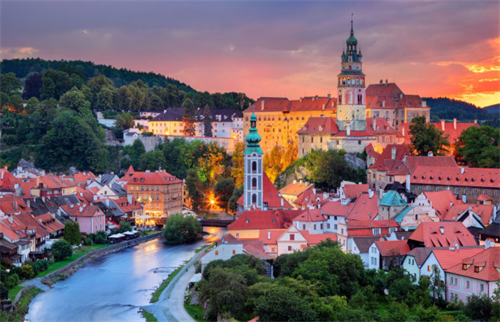
With its dramatic castle overlooking a bend in the Vltava River, Český Krumlov is often described as Prague’s little sibling, but with far fewer crowds.
Why go: The UNESCO-listed old town is a maze of cobbled streets, pastel buildings, and medieval charm. From the castle tower, the view is nothing short of a postcard.
What to do: Tour the castle complex, which includes Renaissance halls, gardens, and even a baroque theater. In summer, rent a raft or canoe to float down the river, passing the town’s storybook skyline.
Tip: Overnight stays reveal the town at its quietest, when day-trippers have gone home and the streets glow under lantern light.
4. Giethoorn, Netherlands
Known as the “Venice of the North,” Giethoorn is a village where canals replace roads and thatched cottages line the waterways.
Why go: With no cars in the old center, life here moves by boat, bike, or on foot, making it one of the most peaceful places in Europe.
What to do: Rent a whisper boat (an electric vessel) to glide through the canals, stopping at cafés or small museums along the way. During winter, the canals can freeze, transforming the town into a natural ice-skating rink.
Tip: Plan a December visit to experience the Reiterlesmarkt, one of Germany’s most magical Christmas markets.
5. Rothenburg ob der Tauber, Germany
Few towns capture the idea of a German fairy tale as vividly as Rothenburg ob der Tauber.
Why go: With its impeccably preserved medieval walls, vibrant half-timbered houses, and cobblestone streets, the town feels like a living scene from a Brothers Grimm fairy tale.
What to do: Walk the town walls for sweeping views, visit the Medieval Crime Museum, and step into Käthe Wohlfahrt’s Christmas Village—open year-round for festive spirit.
6. Bled, Slovenia
Lake Bled, with its island church and clifftop castle, is Slovenia’s fairy tale postcard.
Why go: Few sights are as iconic as a pletna boat gliding across turquoise waters toward Bled Island, where a small church sits surrounded by alpine peaks.
What to do: Climb to Bled Castle for a panoramic view, hike to viewpoints like Ojstrica for sunrise photos, and of course, try the famous Bled cream cake.
Tip: For a quieter experience, visit in autumn when the surrounding forests blaze with color and crowds thin out.
7. Dinant, Belgium
Clinging to the banks of the River Meuse, with cliffs rising steeply behind, Dinant feels both dramatic and intimate.
Why go: The town’s setting is unforgettable, with colorful buildings reflected in the river and the towering Citadel of Dinant standing guard above.
What to do: Ride the cable car up to the citadel for sweeping views, visit the Collegiate Church of Notre Dame with its onion-shaped dome, and explore nearby caves and castles in the Ardennes.
Tip: Dinant is the birthplace of Adolphe Sax, inventor of the saxophone. Don’t miss the small museum dedicated to his life.
8. Gjirokastër, Albania
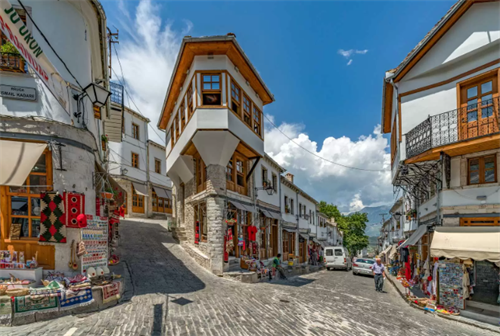
A true hidden gem, Gjirokastër is a hillside town of Ottoman-era houses, cobbled lanes, and a castle that dominates the skyline.
Why go: Unlike the polished fairy-tale towns of central Europe, Gjirokastër feels raw and authentic—like stepping back in time. Its stone-roofed houses and fortress walls tell stories centuries old.
What to do: Wander the bazaar, visit the imposing Gjirokastër Castle, and explore nearby villages that retain untouched rural charm.
Tip: It’s a UNESCO site but still under the radar, so prices remain low and crowds minimal.
9. Eze, France
Perched high above the French Riviera, Éze is a medieval hilltop village that looks down over the Mediterranean like a sentinel from another age.
Why go: Its narrow alleys wind through stone archways, past bougainvillea-covered walls and hidden courtyards. From the Exotic Garden at the top, the view over the Côte d’Azur is breathtaking.
What to do: Browse artisan shops, walk the Nietzsche Path down to the sea, and take your time soaking in the Provençal atmosphere.
Tip: Visit early in the morning before bus tours arrive, and you’ll have the stone passages almost to yourself.
10. Kotor, Montenegro
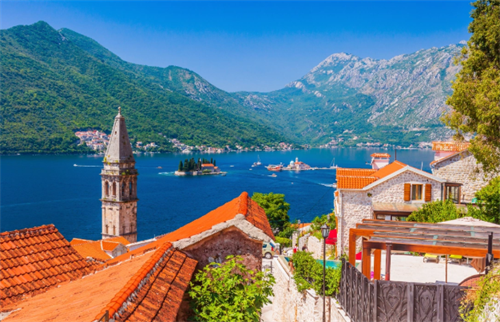
Surrounded by fjord-like mountains and medieval walls that climb steep hillsides, Kotor feels like a blend of natural wonder and old-world charm.
Why go: The old town is a labyrinth of squares, churches, and Venetian architecture, while the bay itself shimmers with postcard beauty.
Things to do: Climb the fortress walls for panoramic views of the Bay of Kotor, relax in quaint cafés hidden within stone courtyards, and take boat excursions to nearby islets such as Our Lady of the Rocks.
Tip: Cruise ships often dock here, so plan your visits around their schedules for quieter moments.
Experiencing Fairy Tale Towns the Right Way:
Part of what makes these towns so enchanting is their scale. They aren’t designed for mass tourism but rather for slow enjoyment. Here are a few tips to help you soak up the postcard scenery:
Travel in the shoulder seasons. Spring and autumn provide gentler weather, fewer crowds, and frequently more affordable rates.
Stay overnight. Many towns see crowds during the day but return to tranquility in the evenings. A sunset walk along empty cobbled streets is often the most magical part of the trip.
Embrace the pace. Don’t rush through three towns in a single day. Relax at a café, stroll along the river, and discover the charm of the place at a leisurely pace.
Go beyond the center. Some of the best views come from just outside town—whether it’s hiking a hillside or crossing a bridge to see the skyline.
Exploring Europe’s storybook towns isn’t just about ticking off attractions—it’s about chasing moments: the quiet of a canal village at dusk, lanterns casting a warm glow on cobblestones, and a castle reflected in a tranquil lake. Each of these places offers a slice of magic, a living postcard waiting to be discovered.
Recommend:

What type of photographic equipment has a higher rate of retaining its value?

Extreme Sports Travel Checklist: Skydiving, Paragliding, Bungee Jumping – Which One Are You Up For?

Diving Beginner's Manual: Explore the Blue Poison of Palau and Sipadan Together
Self-Driving Tour in Tibet: Crossing National Highway 318 and Arriving at the Place Closest to Heaven