
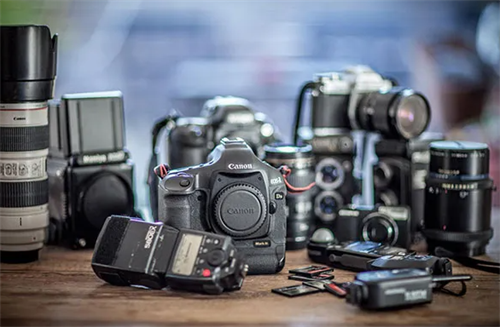
Digital cameras have been commercially available for only a few decades, yet consumer expectations have risen exponentially. This relentless pursuit of better performance, higher resolution, and newer features drives frequent upgrades. Consequently, the secondary market for camera gear has become a vital ecosystem, with some products maintaining strong resale values while others depreciate rapidly.So,today we will discuss the value retention rate of photographic equipment.
Two key factors influence depreciation rates: market penetration and product lifecycle. DSLRs, for instance, still dominate in terms of global units in use. Although mirrorless cameras are gaining ground, the sheer volume of DSLRs ensures a robust secondary market. Moreover, mirrorless systems—particularly those from brands like Sony—update at a breakneck pace, accelerating obsolescence and undermining resale value.
Consider this comparison:
The Canon EOS 5D Mark III, released in March 2012, had an initial retail price of approximately $3,800 (body only). By 2018, it retained around 40% of its value, selling for about $1,500 on secondary markets.
The Sony A7, launched in November 2013, was introduced at $1,700 (body only). Four years later, it fetched roughly $800—a 48% retention rate.
While the Sony’s retention rate appears higher, note that the 5D Mark III was older by a year and a half. When adjusted for time, the Canon demonstrated superior value retention, thanks to its enduring build quality, reliable performance, and slower update cycle.
Lenses: The True Store of Value
While camera bodies depreciate quickly due to technological shifts, lenses often hold their value better—if you choose wisely.
1. Professional-Grade Zoom Lenses
Lenses like the 24–70mm f/2.8 and 70–200mm f/2.8 are workhorses for professionals. Their optical quality, versatility, and durability make them perennial favorites. Canon’s L-series and Nikon’s ED lenses, for example, have decades-long reputations for excellence. Their extensive used-market presence offers buyers flexibility in condition and price, supporting strong resale value.
Sony’s G Master lenses are exceptional optically but command premium prices. However, their rapid iteration and high cost mean depreciation can be steeper. Building a complete set of GM lenses requires substantial investment, and resale may not recover as much as with established DSLR systems.
2. Prime Lenses: Compact and Consistent
Prime lenses generally retain value better than zooms. Models like the 35mm f/1.4, 50mm f/1.8, and 85mm f/1.8 are popular among beginners and professionals alike. Their optical simplicity, wide apertures, and portability ensure steady demand.
The Canon EF 50mm f/1.8, often called the “nifty fifty,” is a classic example. It loses little value over time due to its affordability and performance. Similarly, Fujifilm’s XF 35mm f/1.4 and Sony’s FE 85mm f/1.8 maintain strong resale markets thanks to their distinctive rendering and reliability.
3. Avoid “Kit” Lenses and Niche Optics
Kit lenses like the 18–55mm or 24–105mm are designed for entry-level users and depreciate rapidly. They lack the sharpness, aperture range, and build quality to appeal to advanced users. Similarly, obscure or specialty lenses (e.g., extreme macro or tilt-shift) have limited audiences, reducing their resale potential.
4. Third-Party Lenses: Select Carefully
Third-party lenses from Sigma, Tamron, and others offer great value but may not hold it as well. Older models often suffer from quality control issues like dust intrusion or loose damping. However, Sigma’s Art series and Tamron’s SP lenses have narrowed the gap with OEM quality, and some—like the Sigma 35mm f/1.4 Art—have become modern classics with stable resale values.
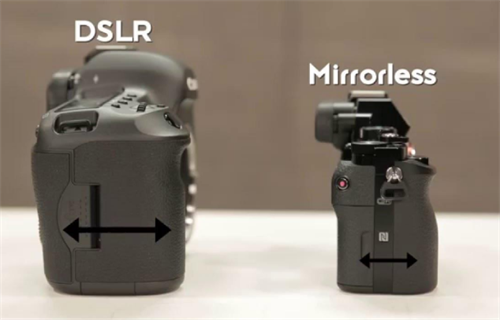
Systems Analysis: DSLR vs. Mirrorless
1. Canon DSLR Systems
Canon’s EOS DSLR system, particularly the 5D series, is a benchmark for value retention. Their slower product cycles—typically every four to five years—mean each model remains relevant longer. The 5D Mark III, for instance, was widely used for over six years thanks to its robust build, excellent battery life, and intuitive controls. This longevity sustains demand in the used market.
2. Sony Mirrorless Systems
Sony’s mirrorless cameras, like the A7 series, innovate rapidly but suffer from faster obsolescence. With eight models in the A7 line alone, new releases quickly overshadow older ones. While this drives technological progress, it also means that last year’s model can lose significant value once its successor arrives. However, standout models like the A7 III and A7R IV buck this trend due to their groundbreaking features and enduring appeal.
The Rise of “Collectible” Digital Cameras:
Some cameras transcend mere utility to become cultural icons or collectibles. These models often defy depreciation curves and even appreciate over time.
1. Fujifilm X100 Series: The X100V and its successor, the X100VI, combine retro aesthetics with modern performance. Their film simulations and compact form have made them social media darlings. Limited editions often sell above retail.
2. Leica M Series: Leica’s rangefinders are built to last and retain value exceptionally well. Special editions like the M11-P Safari appreciate due to craftsmanship, materials, and exclusivity.
3. Ricoh GR Series: The GR III’s portability and image quality have earned it a cult following. Its value remains rock-solid, with special editions commanding premiums.
Practical Tips for Maximizing Resale Value:
1. Buy Used, Sell Smart
Purchasing pre-owned gear from trusted retailers, established resellers, or carefully vetted private sellers can protect you from the steep initial depreciation that occurs the moment new equipment leaves the store. When it’s time to sell, take the extra step to present your gear professionally: provide clear photos, list the exact condition, note the shutter count for cameras, and mention all included accessories such as caps, hoods, or straps. A transparent, well-detailed listing not only builds trust but also helps you command a stronger resale price.
2. Keep Packaging and Documentation
Original boxes, instruction manuals, warranty cards, and even the plastic wrapping or inserts can add a surprising amount of value. Buyers see complete packaging as a sign of careful ownership, and the presentation often makes your listing stand out. In many cases, retaining packaging and paperwork can raise resale value by 10–20% compared to identical gear sold without them. It also makes shipping safer and more professional if you decide to sell online.
3. Maintain Your Gear
Well-maintained equipment always sells faster and for more money. Store your cameras and lenses in a dry, dust-free environment, ideally in a humidity-controlled cabinet or with silica packs to prevent fungus. Clean lenses regularly with proper tools rather than makeshift solutions, and avoid cosmetic damage by using protective filters, hoods, and padded bags. Keeping shutter counts low, glass spotless, and bodies scratch-free signals to buyers that your gear has been cared for, which translates directly into higher resale confidence.
4. Choose Timeless Lenses
While camera bodies are replaced every few years, high-quality lenses often hold their value for decades. Opt for lenses with established reputations and enduring demand, such as fast primes (35mm, 50mm, 85mm) or professional-grade f/2.8 zooms. These “workhorse” lenses rarely go out of style and are always in demand by both enthusiasts and professionals. By contrast, trendy or highly specialized lenses may lose value more quickly as interest shifts or newer versions are introduced.
5. Avoid Grey Market Imports
Grey market cameras and lenses—imported without manufacturer authorization—might look like a bargain upfront but often lack official regional warranties or service support. Savvy buyers recognize this and tend to avoid them, meaning resale values are significantly lower and listings are harder to move. If you plan to sell in the future, sticking to officially distributed gear ensures broader market appeal and fewer headaches when potential buyers ask about warranty coverage.
DSLRs still dominate in terms of market share and value retention, but mirrorless cameras are rapidly catching up, each with its own advantages and challenges. When it comes to lenses, factors such as brand, price, and market availability play a significant role in determining their value in the secondary market.
Recommend:
What type of photographic equipment has a higher rate of retaining its value?

Top Countries Chinese Travelers Can Explore Without a Visa

Global Classic Movie Locations Tourist Spotting Guide

How to Get Cheap Flights? When is the Best Time to Buy?