
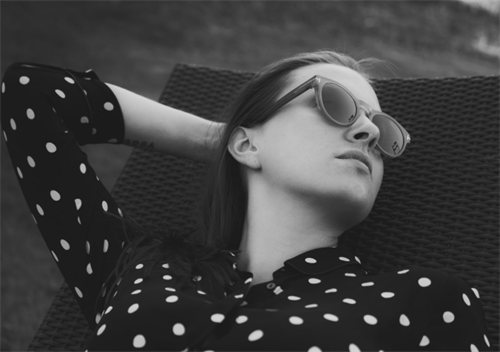
Traditional portraiture often prioritizes clarity of the subject—sharp focus on the eyes, balanced framing, and a clear separation between subject and background—with the goal of highlighting physical features or a specific mood. Unconventional portraiture, by contrast, challenges this orthodoxy to prioritize narrative and emotional resonance. It asks: What story can we tell by obscuring the face? How does context shape identity when the subject is minimized?
This approach is rooted in two key principles:
1. Subjectivity Over Objectivity
Unconventional portraits reflect the photographer’s unique perspective, using composition to interpret the subject rather than merely record them. A tilted frame, for example, might not be a "mistake" but a deliberate choice to convey unease or dynamism.
2. Viewer Engagement
By breaking visual expectations, these portraits invite the audience to participate actively. A partially obscured face, for instance, encourages viewers to imagine the unseen features, forging a deeper connection with the image.
Notably, unconventional and traditional techniques are not mutually exclusive. A portrait might use a rule-of-thirds grid as a starting point but then introduce a foreground obstruction to add layers—blending structure with creativity.
10 Professional Unconventional Portrait Techniques:
1. Obscuring the Face
Traditional portraits often focus intently on the subject’s eyes, inviting a direct connection with the viewer. However, obscuring the face can introduce mystery, symbolism, and narrative depth. By using elements such as butterflies, foliage, or fabrics to partially or fully cover the face, photographers can evoke emotions ranging from whimsy to melancholy. This technique shifts the emphasis from facial expression to form, texture, and context, encouraging viewers to engage more imaginatively with the image.
Professional Tip:
Use a shallow depth of field to keep the obscuring element sharp while softening the background. This creates a layered composition that guides the eye without revealing everything at once.
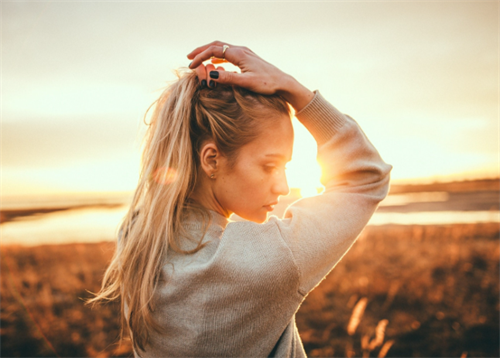
2. Capturing the Back
Instead of focusing on facial expressions, try photographing your subject from behind. A simple back view can convey introspection, solitude, or anticipation. This approach encourages viewers to project their own emotions onto the subject, making the image more personally resonant. The backdrop becomes an integral part of the story, providing context and atmosphere.
Professional Tip:
Pay attention to lines and shapes—the curve of the spine, the drape of clothing, or the setting’s geometry—to create a visually engaging composition even without facial cues.
3. Dominant Foreground Elements
Traditional advice cautions against letting foreground elements draw attention away from the main subject.However, intentionally using bold, even “intrusive” foregrounds can add depth, context, and emotional tone. For example, a black cat obscuring part of a girl’s face might enhance a sense of mystery or playfulness.
Professional Tip:
Incorporate foreground elements to frame your subject or guide the viewer’s eye through the image.This technique works especially well in environmental portraits where context is crucial.
4. Inverted Composition
Turning the image upside down can disrupt expectations and create a sense of disorientation or playful rebellion. This technique is particularly effective when combined with bold colors, graphic elements, or unconventional poses. It challenges viewers to see the subject and the scene from a new perspective, often revealing hidden patterns or emotions.
Professional Tip:
Inverted compositions work best with simple, graphic elements. Steer clear of busy backgrounds that could distract the viewer, especially when the image is flipped.
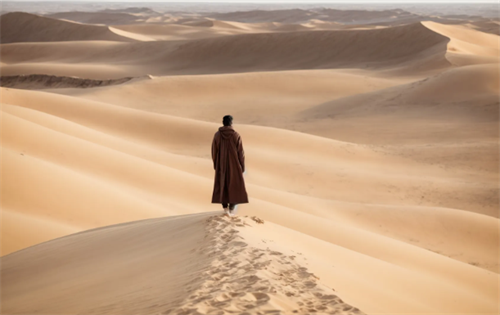
5. Extreme Long Shot
Use expansive landscapes or striking architectural features to make the subject appear small, emphasizing scale, isolation, or even humor. When a person occupies only a fraction of the frame, the environment takes center stage, telling the story. This approach is perfect for highlighting narrative or illustrating the connection between the subject and their surroundings.
Professional Tip:
Use a wide-angle lens to exaggerate spatial relationships and ensure the background is visually compelling enough to carry the image.
6. Subduing the Subject
Rather than highlighting the subject, intentionally blend them into the environment using color, light, or composition. This approach can evoke harmony, minimalism, or subtlety. For instance, a model dressed in tones matching the background may appear as an organic part of the scene, encouraging viewers to look closer to discover the story.
Professional Tip:
Use tonal contrast or slight lighting differences to subtly distinguish the subject from the background without breaking the visual harmony.
7. Masked Identity
Masks, whether literal or symbolic, can transform a portrait into a narrative or conceptual piece. They allow the photographer to explore themes of identity, fantasy, or anonymity. By concealing part of the subject’s identity, you invite viewers to focus on other elements—body language, setting, or props—to interpret the image.
Professional Tip:
Select masks that complement the theme of your shoot.Consider cultural symbolism and visual weight to ensure the mask enhances rather than overwhelms the composition.
8. Unconventional Environments
1) Underwater Basics: Use a waterproof camera or housing, and shoot in shallow water for natural light. Guide the subject to move slowly—ripples and bubbles add texture, but rapid movement can blur the image. For a dreamy look, shoot from below the water’s surface to capture light filtering down.
2) Reflection Control: Use still water (e.g., a lake at dawn) for sharp reflections, or stir the water slightly for a distorted effect. Position the subject so their reflection complements their pose—for example, a subject leaning forward to match their reflection’s angle.
3) Color & Contrast: Underwater light filters out red and orange tones, so adjust white balance in-camera or post-processing to keep skin tones natural. For reflections, use a polarizing filter to reduce glare and enhance color saturation.
Professional Tip:
Use a low angle or wide lens to exaggerate the environment’s unique features. Make sure the subject’s pose and expression reflect the mood of the setting.

9. Intentional Defocus
Defocusing the subject while highlighting a secondary element—such as hands, an object, or part of the environment—can create a dreamlike or abstract quality. This technique encourages viewers to engage with the image emotionally rather than literally, focusing on mood over detail.
Professional Tip:
Use manual focus to precisely control which elements are sharp and which are soft. Pair with backlighting or bokeh for added ethereal effect.
10. Abstract and Conceptual Approaches
Move beyond literal representation by using light, shadow, form, and color to create abstract portraits. These images may not immediately resemble the subject but instead convey an emotion, idea, or essence. This approach is highly subjective and open to interpretation, making it powerful for artistic expression.
Professional Tip:
Experiment with multiple exposures, motion blur, or post-processing techniques to achieve abstract effects.
Post-Processing for Unconventional Portraits:
Post-processing is an extension of the creative process, not a fix for poor composition. For unconventional portraits, editing should enhance the technique’s intent rather than overshadow it.
1. Color Grading: Use color to reinforce mood. For inverted portraits, cool tones (blues, grays) can amplify surrealism; for masked portraits, warm tones (oranges, yellows) might add warmth.
2. Cropping: Refine composition to emphasize key elements. For a dominant foreground, crop to remove excess background; for an extreme wide shot, crop to ensure the subject is positioned to draw the eye.
3. Texture & Grain: Add subtle grain to underwater or defocused portraits to enhance tactile quality, but avoid overdoing it—grain should complement the image, not distract from it.
Unconventional composition doesn’t break the rules—it broadens your creative possibilities.By mastering these techniques, you can develop a unique visual language that resonates across cultures and contexts.
Recommend:

World-Class Hiking Routes for Beginners to Professionals
Global Classic Movie Locations Tourist Spotting Guide

Important Safety Tips and Destination Recommendations for Solo Female Travelers

Does a drone fly higher, does the resulting photo quality get better?