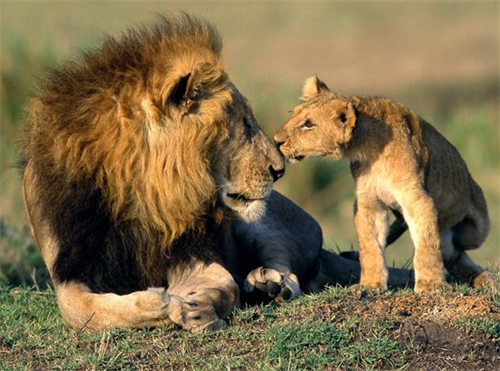
If you’ve ever wondered why some photos instantly grab your attention while others fade into the background, the answer often lies in one critical skill: composition. Good composition isn’t just a technical requirement—it’s the language through which photographers tell stories, evoke emotions, and guide the viewer’s eye.
1. The Rule of Thirds: Balance and Harmony
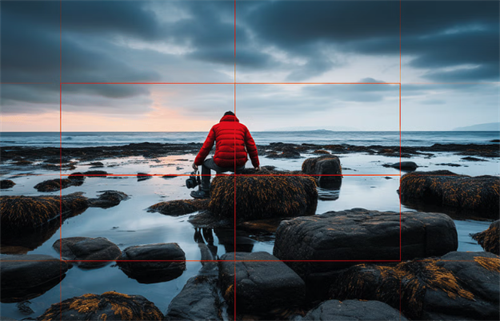
The Rule of Thirds is one of the most widely used photography principles—and for good reason. It helps create balanced, dynamic, and visually engaging images.
1) Tips for Mastering the Rule of Thirds
-Use the Grid Feature: Most cameras and smartphones have a grid option that can be enabled in the settings. This overlay helps you visualize the 3x3 grid and accurately place your elements.
-Experiment with Different Placements: Don't be afraid to deviate from the traditional placement of elements. Occasionally, positioning a subject slightly off-center or along an unconventional line can produce a more dynamic and distinctive composition.
-Balance the Elements: Ensure that the elements on either side of the lines or at the intersection points are balanced in terms of size, color, and visual weight. This prevents one side of the frame from feeling too heavy or dominant.
2) When to use it
This technique works well in almost every genre—landscapes, portraits, street photography, and even still life.For instance, in a portrait, align the subject’s eyes with the top horizontal line for a balanced composition. In landscape photography, place the horizon along one of the horizontal lines to emphasize either the sky or the foreground.
3) Why it works
The Rule of Thirds avoids the static feel of centering your subject. It encourages the viewer to explore the image, creating movement and depth.
2. Negative Space: Less Is More
Negative space is the empty or open area surrounding your subject. When used intentionally, it can emphasize your main subject, evoke emotion, and add a sense of simplicity and elegance to your photos.
1) Tips for Using Negative Space Effectively
-Keep the Background Simple: Choose a simple, uncluttered background that provides a clean canvas for the subject. This could be a plain wall, a clear sky, or a smooth surface.
-Use Color and Contrast: Consider the color and contrast of the negative space in relation to the subject. A complementary color or a high contrast can make the subject stand out even more.
-Balance the Elements: Ensure that the negative space and the subject are balanced in terms of size and visual weight. Avoid having too much or too little negative space, as this can throw off the composition.
2) When to use it
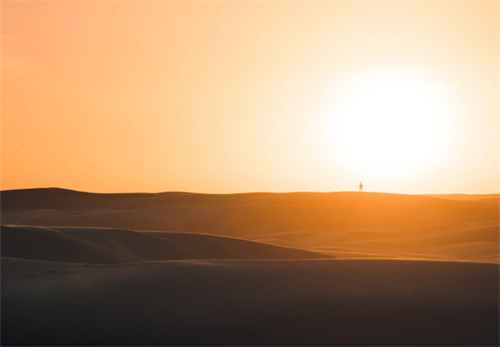
Negative space is particularly effective in minimalist photography, portraits, and situations where you want to convey feelings like solitude, freedom, or tranquility. For instance, a lone figure against an expansive landscape can tell a powerful story with minimal elements.
3) Why it works
By reducing distractions, negative space directs the viewer’s attention squarely to the subject. It also gives the image space to “breathe,” creating a more polished and deliberate feel.
3. Diagonal Composition: Energy and Depth
Diagonal lines are a powerful tool for creating movement, tension, and depth in your photos. They guide the viewer’s eye through the frame and can make even static scenes feel dynamic.
1) Techniques for Effective Diagonal Composition
-Use Leading Lines: Look for strong diagonal lines in your scene and use them to guide the viewer’s eye to the subject. Examples include a road stretching toward a distant object, a row of trees forming a diagonal pattern, or a slanting beam of light.
-Create Depth: Diagonal lines can add the illusion of depth to a flat, two-dimensional image.By placing objects at different points along the diagonal, you can create a sense of distance and perspective.
-Experiment with Angles: Vary your shooting angle to find the most effective diagonal composition. A low-angle shot can make diagonal lines appear more dramatic and imposing, while a high-angle shot can offer a different perspective and create a unique visual effect.
2) When to use it
This technique is great for architectural photography, street scenes, landscapes, and action shots. For example, a diagonal line formed by a road stretching into the distance can create a strong sense of perspective and adventure.
3) Why it works
Diagonals break the monotony of horizontal and vertical lines. They add visual interest and help convey energy, direction, and even emotion.
4. The Role of Light and Shadow
Composition isn’t just about where you place elements in the frame—it’s also about how light and shadow interact within that frame. Light can define shape, create mood, and emphasize texture.
Tips for using light:
Side lighting enhances texture and depth.
Backlighting can create silhouettes and highlight contours.
Soft light, such as during the golden hour, flatters both portraits and landscapes.
Hard light adds drama and contrast.
Don’t just think about what you’re shooting—think about how the light falls on your subject and background. Sometimes, the light itself becomes the subject.
5. Color and Emotion
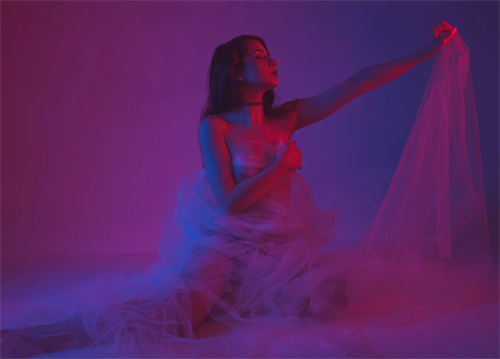
Color is a silent yet powerful storyteller. Warm tones (reds, oranges, yellows) often evoke energy, warmth, and excitement, while cool tones (blues, greens) suggest calm, melancholy, or serenity.
Using color in composition:
Complementary colors (e.g., blue and orange) create vibrancy and contrast.
Monochromatic schemes convey harmony and simplicity.
Color blocking can help isolate your subject and create focus.
Always consider the emotional undertones of the colors in your frame. A splash of color in an otherwise muted scene can become the focal point of your image.
6. Choosing the Right Lens and Perspective
Your choice of lens and angle can fundamentally change the message of your photo.
Wide-angle lenses exaggerate depth and are great for emphasizing foreground elements.
Telephoto lenses compress perspective, bringing backgrounds visually closer to the subject.
Low-angle shots make subjects appear dominant or heroic.
High-angle shots can make scenes feel more intimate or vulnerable.
Don’t be afraid to move around—sometimes the most compelling composition is found by changing your physical perspective.
7. Capturing Motion
A strong composition can also suggest a sense of movement.Whether it’s a flowing river, a moving vehicle, or a person in action, motion adds life to your images.
Techniques to Try:
Panning: Track a moving subject with your camera as you shoot.This technique keeps the subject in sharp focus while producing a dynamic background blur, highlighting motion and speed. Ideal for sports, wildlife, or street photography.
Long Exposure: Mount your camera on a tripod and use a slow shutter speed to capture motion over time.This technique can smooth flowing water, render waterfalls with a silky effect, or capture vehicle light trails, adding motion and atmosphere to your image.
Freezing Action: Use a fast shutter speed to sharply capture a fleeting moment. Perfect for capturing birds in flight, splashing water, or any fast-moving subject where clarity and detail are key.
Putting It All Together:
These “rules” are guidelines—not strict laws. Some of the most iconic photos break traditional composition rules intentionally and creatively. The goal is to understand these principles so you can apply them—or break them—with purpose.
As you practice, try shooting the same scene using different techniques: one with the Rule of Thirds, one with negative space, and one with leading lines. Compare the results and see which version feels the most compelling.
Recommend:

Extreme Sports Travel Checklist: Skydiving, Paragliding, Bungee Jumping – Which One Are You Up For?
How to Dress Stylishly for Travel: 10 Years of Insights Shared

How to Look Natural and Photogenic in Photos?

Top Countries Chinese Travelers Can Explore Without a Visa