
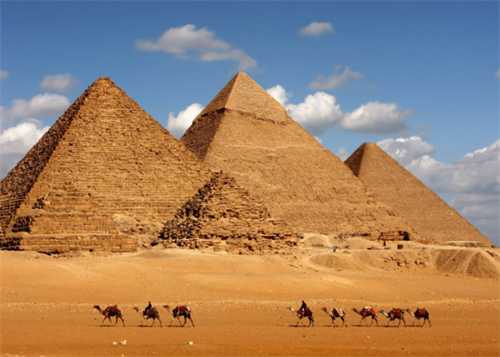
From the silent watch of the Great Pyramids to the winding flow of the Nile that has sustained civilizations for millennia, Egypt is both an ancient wonder and a living culture. This is a land where myth meets history, where temples rise from the desert, and where the call of the river has shaped lives for over 3,000 years.
For travelers, Egypt is more than a destination—it’s an immersion into one of humanity’s oldest stories. Whether you’re standing before the Sphinx, sailing on a felucca at sunset, or wandering bustling Cairo streets, every moment feels layered with time.
This guide takes you through the highlights of exploring Egypt, weaving together history, culture, and practical tips for an unforgettable journey.
Cairo: The Gateway to the Ancient World
Most trips begin in Cairo, a sprawling metropolis where honking cars, crowded markets, and centuries-old mosques coexist with some of the world’s most iconic monuments.
1. The Pyramids of Giza
No matter how many photos you’ve seen, nothing can truly prepare you for the first sight of the Great Pyramids. Rising from the desert’s edge, these massive stone structures have stood for over 4,500 years.
-Must-see: The Great Pyramid of Khufu, the lone surviving wonder of the ancient world.
-The Sphinx: Guarding the plateau, the half-lion, half-human figure exudes mystery and grandeur.
-Tips: Get there early in the morning to beat both the crowds and the midday heat. Camel rides are available, but negotiate prices clearly beforehand.
2. The Egyptian Museum
Located in central Cairo, the museum is home to more than 120,000 artifacts, including treasures from Tutankhamun’s tomb. The gold mask alone is worth the visit. While a new Grand Egyptian Museum is opening near Giza, the original still feels like stepping into a treasure trove.
3. Islamic Cairo
Beyond pharaohs, Cairo is rich with Islamic history. Wander through narrow lanes, sip mint tea, and explore stunning mosques like Al-Azhar and the Mosque of Muhammad Ali at the Citadel. Khan El Khalili Bazaar is a lively spot to browse for spices, brass goods, and unique souvenirs.
Cruising the Nile: A Journey Through Time
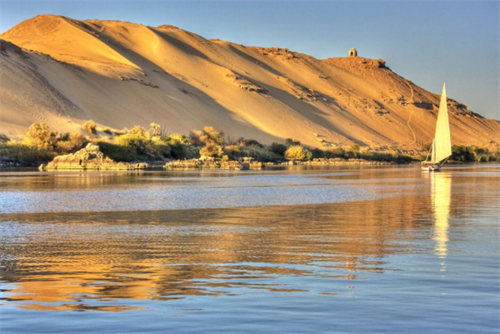
To truly feel Egypt, follow the course of the Nile River. For thousands of years, this river has been the lifeline of Egypt, nurturing crops, enabling trade, and inspiring gods and kings.
Most travelers opt for a Nile cruise between Luxor and Aswan, typically lasting 3–5 days. These cruises combine comfort with exploration, letting you watch the riverbank villages drift by before stepping off to explore temples and tombs.
Felucca Experience: For something more traditional, sail on a felucca—a simple wooden sailboat. Though slower and less luxurious, it offers an intimate, timeless connection to the river.
Luxor: The World’s Greatest Open-Air Museum
Luxor, ancient Thebes, is where the past truly comes alive. Split by the Nile, it offers treasures on both the east and west banks.
1. East Bank
Karnak Temple: One of the most impressive temple complexes in the world, Karnak is vast, with towering columns, sacred lakes, and intricate carvings. The Hypostyle Hall, featuring 134 towering columns, leaves an unforgettable impression.
Luxor Temple: Gracefully lit at night, this temple in the city center is especially atmospheric after sunset.
2. West Bank
Valley of the Kings: Tombs of the pharaohs, including Tutankhamun, are hidden in desert hills. The colorful wall paintings here still glow after thousands of years.
Hatshepsut’s Temple: Built for Egypt’s most famous female pharaoh, this terraced masterpiece blends harmoniously into the cliffs.
Hot Air Balloon Ride: At sunrise, drifting over the Nile and the temples is one of the most magical experiences in Egypt.
Aswan: Serenity on the Nile
Further south, Aswan has a different pace. The river here is dotted with granite islands, palm groves, and feluccas gliding in the breeze.
1. Philae Temple
Dedicated to the goddess Isis, this temple was relocated stone by stone when the Aswan High Dam threatened to submerge it. Its island setting makes it one of Egypt’s most beautiful temples.
2. Nubian Culture
Aswan is home to Nubian communities with brightly painted houses and warm hospitality. A visit to a Nubian village offers a glimpse into another rich layer of Egypt’s heritage.
3. Aswan High Dam
A modern engineering marvel that reshaped the region.
Abu Simbel: Monumental Legacy
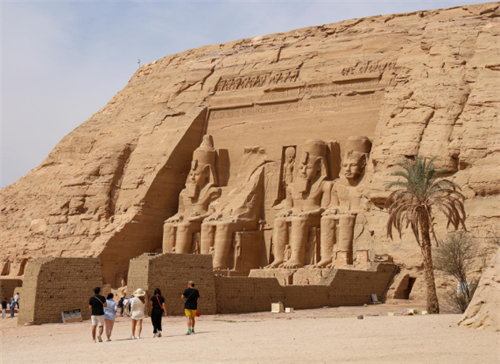
When in Aswan, a visit to Abu Simbel is a must.These colossal temples of Ramses II were carved directly into rock and later relocated during the construction of the dam.
1. Highlights
Four giant statues of Ramses guard the entrance, while the interior chambers align with the sun twice a year, illuminating the inner sanctuary.
2. Tip
It’s a long drive or short flight from Aswan, but the sight of Abu Simbel is among Egypt’s greatest spectacles.
Alexandria: A Mediterranean Chapter
Not all of Egypt’s history is pharaonic. Alexandria, founded by Alexander the Great, offers a different perspective with its Greek, Roman, and Mediterranean influences.
1. Bibliotheca Alexandrina
A modern library inspired by the ancient one, symbolizing Egypt’s role as a center of knowledge.
2. Catacombs of Kom El Shoqafa
An underground wonder blending Egyptian and Greco-Roman art.
3. Corniche Walk
Stroll the seaside promenade and enjoy fresh seafood with sea breezes.
Beyond the Classics: Desert and Oases
Egypt is not only about the Nile. The surrounding deserts hold their own wonders.
1. White Desert
Strange chalk formations shaped by wind and sand give this landscape an otherworldly feel. Camping under desert stars here is unforgettable.
2. Siwa Oasis
Near the Libyan border, Siwa combines palm groves, salt lakes, and ancient ruins, along with its own distinct Berber culture.
Practical Travel Tips:
1. Best Time to Visit
October to April offers cooler, more comfortable weather. Summers can reach intense heat, particularly in Upper Egypt.
2. Dress Code
While Egypt is used to tourists, modest dress (covering shoulders and knees) is respectful, especially at religious sites.
3. Local Guides
Hiring guides at temples and museums enriches the experience, bringing history to life with stories and context.
4. Transport
Taking domestic flights helps you save time when traveling between Cairo, Luxor, and Aswan. Trains and private cars are also options for those preferring slower travel.
5. Food
Sample local favorites like koshari—a hearty blend of rice, lentils, and pasta—Egyptian-style falafel made with fava beans, and warm, freshly baked baladi bread.
6. Safety
Tourist areas are generally safe, with visible security. Be vigilant in busy areas and heed local guidance.
Experiencing Egypt Beyond the Monuments:
While Egypt’s ancient wonders are unmatched, part of the joy of traveling here is in its living culture.Hear the call to prayer resonating over Cairo at dusk, enjoy sweet mint tea in a cozy Luxor café, or share a laugh with the famously warm and curious locals.
Egypt is a land where ancient and modern flow together, much like the Nile itself—ever moving, ever present.
Exploring Egypt is like stepping into the pages of history while also being swept into the rhythms of modern life. The pyramids and pharaohs will leave you in awe, but it’s the 3,000-year call of the Nile River that ties it all together, reminding you that this land has always been, and continues to be, a cradle of civilization.
From Cairo’s chaos to Luxor’s grandeur, from Aswan’s serenity to the desert’s silence, Egypt is a journey through time. It’s not just about seeing monuments—it’s about feeling the weight of history, the warmth of the people, and the eternal pull of the river that made it all possible.
Recommend:

Mastering Animal Photography: Capture Stunning Moments of Wildlife

How to Get Cheap Flights? When is the Best Time to Buy?

How should food be photographed? How can one capture the elegance of delicious food in the photos?

African Safari Complete Guide: Witnessing the Kingdom Journey in Masai Mara